الأحد، 19 أبريل 2015
الثلاثاء، 14 أبريل 2015
Light reflection
The reflection of light is the deflection of light by straight lines in a certain direction (specific) after falling on the body of polished (mirror - a plate of aluminum - an hour of silver - water surface dweller ...)
Phenomenon in the reflection of light and the angle of light Rhode indexed angle of reflection If the incoming beam perpendicular to the polished body, the reflected beam matches the beam contained
images (1)
Reflection 1
App0003
images (11)
Click here to watch the tape light reflection
Refraction of light
Rays of light scattered by straight lines in the middle transparent homogeneous one, such as air, water, glass but if you go light from the center of transparent homogeneous to transparent Last homogeneous middle of the observations and experiments show that the light changes the direction of the spread when passing surface interval between the two mediums Alchwevin, called surfactant Alcasr Thus, the refractive index change in the path of the light beam traveling transparent medium to another transparent at the center of the surface Alcasr
And the phenomenon of refraction makes this rarely dipped into the water in a slanting position looks like broken at the interface between air and water (Alcasr) surface
The same phenomenon of refraction that enables us to see the coins immersed in a tub of water closer to the surface of the water than it is in reality
It was as if we put coins in the basin a little hidden from the eyes and then Sakbna water little by little we will notice the appearance of the coin of the eyes (Picture coin) This explains the phenomenon of refraction
Air
Air colorless gas has heavily on the Earth's surface and fills all the pots parts and cavities that are not occupied by another substance, and we can feel his presence if moving a key element in the life of all living things, both of them that live on land or water
Air consists of many gases, including nitrogen (N), oxygen, carbon dioxide, water vapor, and some rare gases
Percentage volumetric components
78.09% nitrogen (nitrogen)
20.95% oxygen
0.03% Alorkon
0.03% carbon dioxide
Few and varying amounts of other gases
Air does not preserve a certain form, but spreads to fill the void that encounter can be seen when taking an internal framework for the wheel and make a hole by then pour sand in the frame through the hole we note the accumulation of sand in one place because the sand is not spread by itself, while if Nfajna frame the air spreads In every place where thus conclude that the air-dispersible
Also, the air does not preserve a certain size, as we can make the air is compressed by taking a syringe filling Vohtha then the pressure on the air located inside we note that he accepts compression
Conditioning as well as expansion and contraction property heat and cooling shows through heating flask connected crater tube dipped in water, which makes us note the air bubbles out of the beaker and this shows on the air expansion. Then leave the flask cools we note the rise of the water to the beaker to take the place of air that stretch and came out of the beaker and this shows on the air the rest contraction Baldoriq
And also the characteristics of the air conditioning that block and note that when the weigh frame internal wheel of empty air Nmlah and then re-weighed Vnstantg that air mass, after the frame has become heavier. 1 l of air weighs 1.3 g
Conclusion
Air-gas has no color or taste or smell found in the atmosphere and the Earth's surface and whenever Artfna into space whenever decreased quantities and is essential to the life of organisms. Air consists of several gases such as oxygen and nitrogen by five (nitrogen) and water vapor, carbon dioxide and other gases. Air features several characteristics including proliferation and compression and expansion and contraction effect as the heat can be transferred from one vessel to another vessel, which takes the shape of the pot Almujd it, and has a mass of 1 liter as it weighs 1.3 g, almost
Gaseous exchange in the level of the lungs
Adkhalal breathing air from the nose and then the process is moving in the pharynx, which is a common passageway for air transit and food until it reaches the throat where the epiglottis works to close the throat in the event of eating to prevent his access to them. Working cartilaginous rings in the trachea to survival is open to facilitate the passage of air, and then the air passes through the shins Alhoaúatin to the lungs and are a spongy tissue containing air sacs and blood capillaries. Occurs as a result of breathing constriction and energizes the air enters the lungs into the lungs through the air and then bronchioli smaller units called Balsaibat aerobic and at the end of each division there is a bag of air sacs surrounded by a lot of capillaries
NVE00001
NVE00002
NVE00005
NVE00006
Capillaries containing millions of cells that make up a single layer through which gas exchange where oxygen is transmitted through the process Alancharmen alveoli into the capillaries and vice versa move carbon dioxide from the capillaries into the alveoli and then come out with exhaled air
NVE001003
NVE001004
Combustion
We see in our daily lives and we hear the news of the fire, and inflammation of some objects. What is the concept of combustion? What are intervening in the elements? What are the elements Alnmatgh?
Combustion is the height of the flames and smoke billowed body with a starting temperature
Intervening in the combustion process elements are combustible material, oxygen and heat that heats the material to the point of combustion
Resulting from the combustion process elements are heat, water vapor, carbon dioxide, coal soot and light
Burning candle
The candle is made up of cotton wick surrounded by wax. This wax is a mixture of paraffin and animal fats. How can burn the candle? What are the components of the given? What is the element that ignited the first in a candle? What are the elements resulting from the combustion?
Enkerb fire from the candle wick triggering first and begin the hard wax next to the flame in fusion and then impregnating the wick burning party and turns into a combustible gas
NVE000017
Nla luck in the candle flame three regions
Yellow illuminated area at the top of the flame if we have introduced the wire copper discs become covered with a thin layer of black (soot coal, which makes the flame is lit)
A dark area in the center of the flame if we put the wire copper discs do not blush and temperature rise which indicates low temperature of this region and if we put a tube of metal note emission gas white flammable, indicating that this region is composed of wax gas
Blue area at the bottom of the flame if we have introduced the wire copper discs blush rising temperature, suggesting that this region with high temperature
Crush the flames candle white dish we notice a thin layer of black soot covered saucer represent the coal that makes a flame lit
Nnks glass tube connected lime water on a burning candle and then leave the experiment for some time, we notice a sour lime water, which indicates the presence of carbon dioxide resulting from the burning candle
NVE00008
Nnks cold glass on a burning candle, we notice the drops of water on the walls of the cup which indicates that the water vapor produced by the burning candle
Thus, we conclude that it is produced by the burning of candle light, heat, coal soot, water vapor and carbon dioxide
Blood circulation device
Heart works regularly to keep the continuous circulation of blood in the body, and carry blood veins of the body to the right atrium and it goes into the right ventricle, which is to pump blood through the arteries to the lungs where gas exchange is called the blood that have the color red slash blue carbon dioxide and absorbs oxygen transforms its color to red Gan then returns to the heart through the left atrium and called this session session Minor
Blood moves from the left atrium into the left ventricle, which pumps it to all members of the body through the aorta, which branched off into other arteries and then to the capillaries, where gas exchange and food with the cells of the body is located and then the blood returns to the veins that carry blood to the heart and called this session major cycle
Picture22
Heart Valves
Blood components
BLOOD
A drop of blood
Plasma
Yellow means be about 55% of the blood, and the water represents 90% of the composition and separated from the rest of the cells if we add blood to prevent Aloczlat Taktherh
Pso20352-copie-1
Red and white blood cells and blood platelets
Leukocytes and consists of red and platelets in the bone marrow
7eb986857b275705c470b8c33b977c0e
The White blood cells
Is colorless cells with a nucleus of up to one millimeter of human blood corpuscle to 7000 and consists in the bone marrow and in the lymph nodes (sputum)
The White blood cells
Erythrocytes
Erythrocytes are concave-sided discs, yellowish red color, but plentiful in the blood to give it its red color, which is flexible, it is compressed when passing vessels Balsairat
Red blood cells to be 40% of the volume of blood which we have continuously made in the bone marrow and live 120 days and then destroyed and thrown into the spleen of fragmentation there and keeps iron. And erythrocytes containing hemoglobin, a red protein represents 95% of the dry weight
Erythrocytes
Platelet
Platelet cells, but not parts of the cells appear in the form of very small tablets filled Alsitoblazema consists in the bone marrow and up to 300,000 cubic millimeter of blood. And blood platelets play an important role in blood clotting, as with the red blood cells and fibrin thread stopper blocking the surgeon
Platelet
Thrombosis: if we take a little bit of fresh blood, we note that after a certain period of clotted Ftersp at the bottom of the tube clot and floats above yellow liquid is serum
large 1238011576
Function of blood
Blood several functions, including the transfer of gas, food and these functions are blood components
Plasma
Slow plasma role in food that has been digested within the digestive tract and transfer absorbed from the intestine into the body's cells. In the transfer of waste resulting from the work of the cells to the kidneys
Erythrocytes
During the process of breathing blood passes into the lungs of oxygen Viltsq hemoglobin found in red blood cells and then work erythrocytes and hemoglobin together to transport oxygen through the body and deliver it to all cells and tissues, and when the hemoglobin molecules become empty, they attract carbon dioxide and other gases are passed them on to the lung that works to rid the body of them through the process of exhaling
The White blood cells
The leukocytes defensive role Taking dead cells and bacteria and swallowed up by this process is called phagocytosis They also have the ability to configure antidepressants prescribed by the germs and deactivate
Platelet
The platelet Btakther blood as they quickly disintegrate when exposed to air constitute with erythrocytes and fibrin strands stopper blocking wounds and prevent blood from gonorrhea and endangering human risk
Blood circulation device
Heart works regularly to keep the continuous circulation of blood in the body, and carry blood veins of the body to the right atrium and it goes into the right ventricle, which is to pump blood through the arteries to the lungs where gas exchange is called the blood that have the color red slash blue carbon dioxide and absorbs oxygen transforms its color to red Gan then returns to the heart through the left atrium and called this session session Minor
Blood moves from the left atrium into the left ventricle, which pumps it to all members of the body through the aorta, which branched off into other arteries and then to the capillaries, where gas exchange and food with the cells of the body is located and then the blood returns to the veins that carry blood to the heart and called this session major cycle
Picture22
Heart Valves
Blood components
BLOOD
A drop of blood
Plasma
Yellow means be about 55% of the blood, and the water represents 90% of the composition and separated from the rest of the cells if we add blood to prevent Aloczlat Taktherh
Pso20352-copie-1
Red and white blood cells and blood platelets
Leukocytes and consists of red and platelets in the bone marrow
7eb986857b275705c470b8c33b977c0e
The White blood cells
Is colorless cells with a nucleus of up to one millimeter of human blood corpuscle to 7000 and consists in the bone marrow In the decade
Lymph (sputum)
The White blood cells
Erythrocytes
Erythrocytes are concave-sided discs, yellowish red color, but plentiful in the blood to give it its red color, which is flexible, it is compressed as it passes Balsairat
Blood
Red blood cells to be 40% of the volume of blood which we have continuously made in the bone marrow and live 120 days and then destroyed and thrown into the spleen of fragmentation there and keeps iron. And erythrocytes containing hemoglobin, a red protein represents 95% of the dry weight
Erythrocytes
Platelet
Platelet cells, but not parts of the cells appear in the form of very small tablets filled Alsitoblazema consists in the bone marrow and up to 300,000 cubic millimeter of blood. For the role of platelets and blood clotting Humvee as it is with the red blood cells and fibrin thread stopper blocking surgeon
Platelet
Thrombosis: if we take a little bit of fresh blood, we note that after a certain period of clotted Ftersp at the bottom of the tube clot and floats above yellow liquid is serum
large 1238011576
Function of blood
Blood several functions, including the transfer of gas, food and these functions are blood components
Plasma
Slow plasma role in food that has been digested within the digestive tract and transfer absorbed from the intestine into the body's cells. In the transfer of waste resulting from the work of the cells to the kidneys
Erythrocytes
During the process of breathing blood passes into the lungs of oxygen Viltsq hemoglobin found in red blood cells and then work erythrocytes and hemoglobin together to transport oxygen through the body and deliver it to all cells and tissues, and when the hemoglobin molecules become empty, they attract carbon dioxide and other gases are passed them on to the lung that works to rid the body of them through the process of exhaling
The White blood cells
The leukocytes defensive role Taking dead cells and bacteria and swallowed up by this process is called phagocytosis They also have the ability to configure antidepressants prescribed by the germs and deactivate
Platelet
The platelet Btakther blood as they quickly disintegrate when exposed to air constitute with erythrocytes and fibrin strands stopper blocking wounds and prevent blood from gonorrhea and endangering human risk
Vaccinations
NVE00009
NVE00010
NVE00011
NVE00012
NVE00013
NVE00014
NVE00015
Resulting from malnutrition diseases
Image7.jpg
Otthbt
-----. Jpg
------. Jpg
Conclusion
Produces malnutrition by excessive food intake or exclusive consumption somewhat one of them and cause the diseases like common cold and the lack of vision at night (lack of vitamin A), scurvy (vitamin deficiency d), obesity, binge eating, and tooth decay (a lot of sweets ). In order to maintain our health should be eating slowly and chewing well be at regular intervals with a move away from reading during and be clean and preserved from dust and germs with no shower immediately after eating so as not to break down the process of digestion
Venus components
Venus is a reproduction (Sexual reproduction) in the envelopes of seeds is done by tapir and fertilization. Venus is composed generally of the oceans vase situated at Takht (Holy), a
Trophy: The periphery of the Zahrhottkon of papers (Splat) are usually green fixed per type and number (5 Splat in flower Lathyrus)
Coronet: consists of colorful floral leaves (petals) form an ocean in the inside of the cup and these papers are often colored with bright colors to attract insects, as well as a fixed number in the same species (5 petals in flower Lathyrus) and protects the cup and Coronet internal parts of the flower
F5bt6-YSy4 6171736173
Venus is composed of members of an internal
Stamens, a reminder members consisting of warp elongated part called cord topped bulge called anther (anther) contains beads vaccine (pollens)
Pistil (heirlooms) represents the center of the flower is a member of feminization and consists of the ovary (no hollow chamber inside eggs that grow to be a seed, grows to be the fruit of the ovary) and pen and stigma (secretes a sticky substance stick to pollen grains
الجمعة، 10 أبريل 2015
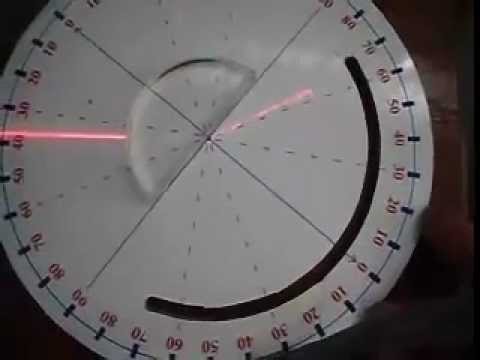
انعكاس الضوء
ـ انعكاس الضوء هو انحراف الضوء حسب خطوط مستقيمة في اتجاه معيّن (محدّد) بعد سقوطه على جسم مصقول(مرآة – صفيحة من الألمنيوم – ساعة من الفضة – سطح ماء ساكن…) ـ
ـ في ظاهرة انعكاس الضوء فإنّ زاوية ورود الضوء تقايس زاوية الانعكاس أمّا إذا كان الشعاع الوارد عموديّا على الجسم المصقول فإنّ الشعاع المنعكس يطابق الشعاع الوارد


انكسار الضّوء
ـ تنتشر أشعّة الضّوء حسب خطوط مستقيمة في الوسط الشّفاف المتجانس الواحد مثل الهواء، الماء، الزّجاج لكن إذا انتقل الضّوء من وسط شفّاف متجانس إلى وسط شفّاف آخر متجانس فإنّ المشاهدات والتجارب تبيّن أنّ الضّوء يغيّر اتّجاه انتشاره عند اجتيازه السّطح الفاصل بين الوسطين الشّفّافين والّذي يسمّى بالسّطح الكاسر وبذلك يكون الانكسار تغيّر في مسير الشّعاع الضّوئي المتنقّل من وسط شفّاف إلى وسط شفّاف آخر عند السّطح الكاسر
ـ وظاهرة الانكسار هذه تجعل قلما مغموسا في الماء في وضع مائل يبدو وكأنّه مكسور عند السّطح الفاصل بين الهواء والماء(السّطح الكاسر)ـ
ـ ونفس ظاهرة الانكسار هي الّتي تمكّننا من رؤية قطعة نقديّة مغمورة في حوض من الماء أقرب إلى سطح الماء ممّا هي عليه في الحقيقة
ـ كما أنّه لو وضعنا قطعة نقدية في حوض محجوبة قليلا عن الأعين ثمّ سكبنا الماء شيئا فشيئا فإنّنا سنلاحظ ظهور القطعة النّقدية للأعين (صورة القطعة النّقدية) وهذا يفسّر ظاهرة الانكسار


الهواء
ـ الهواء غاز عديم اللّون يوجد بكثافة حول سطح الأرض ويملأ جميع أجزاء الأواني والتّجاويف الّتي لا تحتلّها مادّة أخرى ويمكن أن نشعر بوجوده إذا كان متحرّكا وهو عنصر أساسي في حياة كلّ الكائنات الحيّة سواء منها الّتي تعيش في البرّ أو الماء
ـ يتكوّن الهواء من عديد الغازات منها الأزوت (النّتروجين)، الأكسجين، ثاني أكسيد الكربون، بخّار الماء وبعض الغازات النّادرة
| النّسبة الحجميّة | المكوّنات |
| %78,09 | النتروجين (الأزوت)ـ |
| %20.95 | الأكسجين |
| %0.03 | الأرقون |
| %0.03 | ثاني أكسيد الكربون |
| بكميات قليلة ومتفاوتة | غازات أخرى |
ـ لا يحافظ الهواء على شكل معيّن بل ينتشر ليملأ الفراغ الّذي يصادفه ويمكن ملاحظة ذلك عند أخذ إطار داخلي لعجلة وجعل ثقب به ثمّ صبّ الرّمال في الإطار من خلال الثقب فنلاحظ تكدّس الرّمال في مكان واحد لأنّ الرّمال لا تنتشر بنفسها بينما إذا نفخنا الإطار فإنّ الهواء ينتشر في كلّ مكان فيه وبذلك نستنتج أنّ الهواء قابل للانتشار
ـ كذلك فإنّ الهواء لا يحافظ على حجم معيّن إذ انّنا نستطيع جعل الهواء ينضغط وذلك بأخذ حقنة وسدّ فوهتها ثمّ الضّغط على الهواء الموجود داخلها فنلاحظ أنّه يقبل الانضغاط
ـ للهواء كذلك خاصيّة التّمدّد بالحرارة والتّقلّص بالتّبريد ويظهر ذلك من خلال تسخين دورق متّصلة فوهته بأنبوب مغموس بالماء ممّا يجعلنا نلاحظ خروج فقاقيع هواء من الدّورق وهذا يدلّ على تمدّد الهواء. ثمّ نترك الدّورق يبرد فنلاحظ صعود الماء إلى الدّورق ليأخذ مكان الهواء الّذي تمدّد وخرج من الدّورق وهذا يدلّ على تقلّص الهواء الباقي بالدّورق
ـ و من خاصيّات الهواء أيضا أنّ للهواء كتلة ونلاحظ ذلك عندما نزن إطار عجلة داخلي فارغا من الهواء ثمّ نملؤه ونعيد وزنه فنستنتج أنّ للهواء كتلة وذلك بعدما أصبح الإطار أثقل. 1ل من الهواء يزن 1,3غ
الخلاصة
ـ الهواء غاز لا لون له ولا طعم ولا رائحة ويوجد في الغلاف الجوّي المحيط بسطح الأرض وكلّما ارتفعنا إلى الفضاء كلّما نقصت كمّياته وهو ضروريّ لحياة الكائنات الحيّة. ويتكوّن الهواء من عدّة غازات مثل الأكسجين بنسبة الخمس والأزوت (نتروجين) وبخّار الماء وثاني أكسيد الكربون وغازات أخرى . ويتميّز الهواء بعدّة خاصيات منها الانتشار والانضغاط والتّمدّد والتّقلّص بمفعول الحرارة كما يمكن نقله من إناء إلى إناء آخر وهو يأخذ شكل الإناء الموجد فيه، وله كتلة إذ يزن 1لتر منه 1,3غ تقريبا
التبادل الغازي في مستوى الرّئتين
ـ في عملية التّنفس يدخلال الهواء من الأنف ثمّ يسير في البلعوم الّذي يُعدّ ممرّا مشتركا لعبور الهواء والطّعام حتّى يصل إلى الحنجرة حيث يعمل لسان المزمار على غلق الحنجرة في حال تناول الطّعام ليمنع وصوله إليها. وتعمل الحلقات الغضروفية الموجودة في القصبة الهوائية على بقائها مفتوحة لتسهيل مرور الهواء، ثمّ يمرّ الهواء عبر القصبتين الهوائيتين إلى الرّئتين وهما عبارة عن نسيج اسفنجي يحتوي على حويصلات هوائية وشعيرات دموية. ويحدث التّنفس نتيجة انقباض وانبساط الرّئتين يدخل الهواء إلى الرّئتين عن طريق قصيبات هوائية ثمّ وحدات أصغر تسمّى بالشّعيبات الهوائية وعند نهاية كلّ شعبة يوجد كيس من الحويصلات الهوائية المحاطة بالكثير من الشّعيرات الدّموية


ـ تحتوي الشّعيرات الدّموية على ملايين من الخلايا الّتي تكوّن طبقة واحدة يتمّ من خلالها تبادل الغازات حيث ينتقل الأكسجين عن طريق عملية الانتشارمن الحويصلات الهوائية إلى الشّعيرات الدّموية وبالعكس ينتقل ثاني أكسيد الكربون من الشّعيرات الدّموية إلى الحويصلات الهوائية ثمّ يخرج مع هواء الزّفير


الاحتراق
ـ نشاهد في حياتنا اليومية ونسمع بأخبار الحرائق، والتهاب بعض الأجسام. فما هو مفهوم الاحتراق؟ ما هي العناصر المتدخّلة في ذلك؟ وما هي العناصر النذاتجة؟
ـ الاحتراق هو ارتفاع ألسنة اللّهب من جسم وتصاعد الدّخان مع انطلاق الحرارة
ـ العناصر المتدخّلة في عملية الاحتراق هي المادّة القابلة للاحتراق والأكسجين والحرارة الّتي تسخّن المادة إلى درجة الاحتراق
ـ العناصر النّاتجة عن عملية الاحتراق هي الحرارة، بخّار الماء، غاز ثاني أكسيد الكربون، هباب الفحم والضّوء
احتراق الشّمعة
ـ تتكوّن الشّمعة من فتيل من القطن محاط بالشّمع. وهذا الشّمع هو خليط من البرافين وشحوم الحيوان. فكيف تشتعل الشّمعة؟ ما هي مكوّنات لهبها؟ ما هو العنصر الّذي يشتعل الأوّل في الشّمعة؟ وما هي العناصر النّاتجة عن احتراقها؟
ـ نقرّب النّار من الشّمعة فيشتعل الفتيل أوّلا ويبدأ الشّمع الصّلب المجاور للّهب في الانصهار ثمّ يُتّشرّب من طرف الفتيل المشتعل ويتحوّل إلى غاز قابل للاحتراق

ـ نلا حظ في لهب الشّمعة ثلاث مناطق
ـ ـ منطقة صفراء مضيئة في أعلى اللّهب إذا أدخلنا فيها سلكا نحاسيا يصبح مغطّى بطبقة رقيقة من السّواد ( هباب الفحم وهو الّذي يجعل اللّهب مضيئا)ـ
ـ ـ منطقة قاتمة في وسط اللّهب إذا وضعنا فيها سلكا نحاسيّا لا يحمرّ ولا ترتفع درجة حرارته ممّا يدلّ على انخفاض درجة حرارة هذه المنطقة وإذا وضعنا فيها أنبوبا من المعدن نلاحظ انبعاث غاز أبيض اللّون قابل للاشتعال ممّا يدلّ على أنّ هذه المنطقة تتكوّن من غاز الشّمع
ـ ـ منطقة زرقاء في أسفل اللّهب إذا أدخلنا فيها سلكا نحاسيّا يحمرّ وترتفع درجة حرارته ممّا يدلّ على أنّ هذه المنطقة شديدة الحرارة
ـ نسحق لهيب الشّمعة بصحن أبيض اللّون فنلاحظ طبقة رقيقة من السّواد تغطّي الصّحن تمثّل هباب الفحم وهو الّذي يجعل اللّهب مضيئا
ـ ننكس أنبوبا من الزّجاج متّصلا بماء الجير على شمعة مشتعلة ثمّ نترك التّجربة لبعض الوقت فنلاحظ تعكّر ماء الجير ممّا يدلّ على وجود غاز ثاني أكسيد الكربون النّاتج عن احتراق الشّمعة

ـ ننكس كأسا باردا على شمعة مشتعلة فنلاحظ تكوّن قطرات من الماء على جدران الكأس ممّا يدلّ على أنّ بخّار ماء نتج عن احتراق الشّمعة
ـ وبذلك نستنتج أنّه ينتج عن احتراق شمعة ضوء، حرارة، هباب الفحم، بخّار الماء وثاني أكسيد الكربون
جهاز دوران الدّم
ـ يعمل القلب بانتظام لإبقاء دورة الدّم مستمرّة في الجسم، وتحمل الأوردة الدّم من الجسم إلى الأذين الأيمن ومنه ينتقل إلى البطين الأيمن الّذي يقوم بضخّ الدّم عبر الشّرايين إلى الرّئتين حيث يتمّ تبادل الغازات فيطلق الدّم الّذي يكون لونه أحمر مائل إلى الزرقة ثاني أكسيد الكربون ويمتصّ الأكسجين فيتحوّل لونه إلى أحمر قان ثمّ يعود إلى القلب عبر الأذين الأيسر وتسمّى هذه الدّورة بالدّورة الصّغرى
ينتقل الدّم من الأذين الأيسر إلى البطين الأيسر الّذي يضخّه إلى جميع أعضاء الجسم عبر الشّريان الأبهر الّذي يتفرّع إلى شرايين أخرى ثمّ إلى أوعية شعرية حيث يقع تبادل الغازات والأغذية مع خلايا الجسم ومن ثمّ يعود الدّم إلى الأوردة الّتي تنقل الدّم إلى القلب وتسمّى هذه الدّورة بالدّورة الكبرى


مكوّنات الدّم


ـ البلازما
سائل أصفر اللّون يكوّن حوالي55% من الدّم، ويمثّل الماء 90% من تركيبته وينفصل عن بقية الخلايا إذا أضفنا للدّم الأوكزلات لمنع تخثّره

ـ الكريّات البيضاء والحمراء والصّفيحات الدّموية
تتكوّن الكريّات البيضاء والحمراء والصّفيحات الدّموية في نخاع العظام

ـ الكريات البيضاء
ـ هي خلايا عديمة اللّون ذات نواة يصل عددها في الملّيمتر الواحد من دم الإنسان إلى 7000 كريّة وتتكوّن في نخاع العظام وفي العقد اللّمفوية(البلغميّة)ـ

ـ الكريّات الحمراء
الكريّات الحمراء هي أقراص مقعّرة الوجهين، لونها أحمر مصفرّ، ولكثرتها في الدّم تعطيه لونه الأحمر، وهي مرنة فهي تنضغط عند مرورها بالشّعيرات الدّموية
تكوّن كريّات الدّم الحمراء 40% من حجم الدّم لدينا وهي تصنع بشكل مستمرّ في نخاع العظم وتعيش 120 يوما ثمّ تدمّر وتلقى في الطّحال لتفتت هناك ويحتفظ بالحديد. وتحتوي الكريّات الحمراء على الهيموغلوبين وهو بروتين أحمر اللّون يمثّل 95% من وزنها الجاف

ـ الصّفيحات الدّموية
الصّفيحات الدّموية ليست خلايا بل أجزاء من خلايا تبدو على شكل أقراص صغيرة جدّا تملؤها السيتوبلازما وتتكوّن في نخاع العظام ويصل عددها إلى 300000ملّيمتر مكعّب من الدّم. وللصّفيحات الدّموية دور هامّ في تخثّر الدّم إذ تكوّن مع الكريّات الحمراء وخيط اللّيفين سدّادة تسدّ الجراح

ـ تخثّر الدّم: لو أخذنا قليلا من الدّم الطّازج فإنّنا نلاحظ بعد مدّة معيّنة أنّه يتخثّر فترسب في أسفل الأنبوب العلقة ويطفو فوقها سائل أصفر هو المصلّ

وظيفة الدّم
ـ للدّم عدّة وظائف منها نقل الغازات والأغذية وتقوم بهذه الوظائف مكوّنات الدّم
ـ البلازما
يتمهّل دور البلازما في نقل الأغذية الّتي تمّ هضمها داخل الأنبوب الهضمي وامتصاصها من الأمعاء إلى خلايا الجسم. وفي نقل الفضلات النّاتجة عن عمل الخلايا إلى الكليتين
ـ الكريّات الحمراء
أثناء عملية التّنفّس يمرّ الدّم في الرّئتين فيلتصق الأكسجين بالهيموغلوبين الموجود في الكريّات الحمراء ومن ثَمّ تعمل الكريّات الحمراء والهيموغلوبين معا على نقل الأكسجين خلال الجسم وإيصاله إلى كلّ الخلايا والأنسجة وعندما تصبح جزيئات الهيموغلوبين فارغة فإنّها تجذب ثاني أكسيد الكربون وغيره من الغازات لتقوم بإيصالها إلى الرّئة الّتي تعمل على تخليص الجسم منها من خلال عملية الزّفير
ـ الكريّات البيضاء
تقوم الكريّات البيضاء بدور دفاعي إذ تحيط بالخلايا الميّتة والجراثيم وتبتلعها وتسمّى هذه العملية بالبلعمة كما أنّ لها القدرة على تكوين مضادّات تقضي بها على الجراثيم وتبطل مفعولها
ـ الصّفيحات الدّموية
تقوم الصّفيحات الدّموية بتخثير الدّم إذ أنّها سرعان ما تتفتّت عند تعرّضها للهواء فتشكّل مع الكريّات الحمراء وخيوط اللّيفين سدّادة تسدّ الجروح وتمنع الدّم من السّيلان وتعريض الإنسان للخطر
جهاز دوران الدّم
ـ يعمل القلب بانتظام لإبقاء دورة الدّم مستمرّة في الجسم، وتحمل الأوردة الدّم من الجسم إلى الأذين الأيمن ومنه ينتقل إلى البطين الأيمن الّذي يقوم بضخّ الدّم عبر الشّرايين إلى الرّئتين حيث يتمّ تبادل الغازات فيطلق الدّم الّذي يكون لونه أحمر مائل إلى الزرقة ثاني أكسيد الكربون ويمتصّ الأكسجين فيتحوّل لونه إلى أحمر قان ثمّ يعود إلى القلب عبر الأذين الأيسر وتسمّى هذه الدّورة بالدّورة الصّغرى
ينتقل الدّم من الأذين الأيسر إلى البطين الأيسر الّذي يضخّه إلى جميع أعضاء الجسم عبر الشّريان الأبهر الّذي يتفرّع إلى شرايين أخرى ثمّ إلى أوعية شعرية حيث يقع تبادل الغازات والأغذية مع خلايا الجسم ومن ثمّ يعود الدّم إلى الأوردة الّتي تنقل الدّم إلى القلب وتسمّى هذه الدّورة بالدّورة الكبرى
مكوّنات الدّم
ـ البلازما
سائل أصفر اللّون يكوّن حوالي55% من الدّم، ويمثّل الماء 90% من تركيبته وينفصل عن بقية الخلايا إذا أضفنا للدّم الأوكزلات لمنع تخثّره
ـ الكريّات البيضاء والحمراء والصّفيحات الدّموية
تتكوّن الكريّات البيضاء والحمراء والصّفيحات الدّموية في نخاع العظام
ـ الكريات البيضاء
ـ هي خلايا عديمة اللّون ذات نواة يصل عددها في الملّيمتر الواحد من دم الإنسان إلى 7000 كريّة وتتكوّن في نخاع العظام وفي العقد
اللّمفوية(البلغميّة)ـ
اللّمفوية(البلغميّة)ـ
ـ الكريّات الحمراء
الكريّات الحمراء هي أقراص مقعّرة الوجهين، لونها أحمر مصفرّ، ولكثرتها في الدّم تعطيه لونه الأحمر، وهي مرنة فهي تنضغط عند مرورها بالشّعيرات
الدّموية
الدّموية
تكوّن كريّات الدّم الحمراء 40% من حجم الدّم لدينا وهي تصنع بشكل مستمرّ في نخاع العظم وتعيش 120 يوما ثمّ تدمّر وتلقى في الطّحال لتفتت هناك ويحتفظ بالحديد. وتحتوي الكريّات الحمراء على الهيموغلوبين وهو بروتين أحمر اللّون يمثّل 95% من وزنها الجاف
ـ الصّفيحات الدّموية
الصّفيحات الدّموية ليست خلايا بل أجزاء من خلايا تبدو على شكل أقراص صغيرة جدّا تملؤها السيتوبلازما وتتكوّن في نخاع العظام ويصل عددها إلى 300000ملّيمتر مكعّب من الدّم. وللصّفيحات الدّموية دور هامّفي تخثّر الدّم إذ تكوّن مع الكريّات الحمراء وخيط اللّيفين سدّادة تسدّ الجراح
ـ تخثّر الدّم: لو أخذنا قليلا من الدّم الطّازج فإنّنا نلاحظ بعد مدّة معيّنة أنّه يتخثّر فترسب في أسفل الأنبوب العلقة ويطفو فوقها سائل أصفر هو المصلّ
وظيفة الدّم
ـ للدّم عدّة وظائف منها نقل الغازات والأغذية وتقوم بهذه الوظائف مكوّنات الدّم
ـ البلازما
يتمهّل دور البلازما في نقل الأغذية الّتي تمّ هضمها داخل الأنبوب الهضمي وامتصاصها من الأمعاء إلى خلايا الجسم. وفي نقل الفضلات النّاتجة عن عمل الخلايا إلى الكليتين
ـ الكريّات الحمراء
أثناء عملية التّنفّس يمرّ الدّم في الرّئتين فيلتصق الأكسجين بالهيموغلوبين الموجود في الكريّات الحمراء ومن ثَمّ تعمل الكريّات الحمراء والهيموغلوبين معا على نقل الأكسجين خلال الجسم وإيصاله إلى كلّ الخلايا والأنسجة وعندما تصبح جزيئات الهيموغلوبين فارغة فإنّها تجذب ثاني أكسيد الكربون وغيره من الغازات لتقوم بإيصالها إلى الرّئة الّتي تعمل على تخليص الجسم منها من خلال عملية الزّفير
ـ الكريّات البيضاء
تقوم الكريّات البيضاء بدور دفاعي إذ تحيط بالخلايا الميّتة والجراثيم وتبتلعها وتسمّى هذه العملية بالبلعمة كما أنّ لها القدرة على تكوين مضادّات تقضي بها على الجراثيم وتبطل مفعولها
ـ الصّفيحات الدّموية
تقوم الصّفيحات الدّموية بتخثير الدّم إذ أنّها سرعان ما تتفتّت عند تعرّضها للهواء فتشكّل مع الكريّات الحمراء وخيوط اللّيفين سدّادة تسدّ الجروح وتمنع الدّم من السّيلان وتعريض الإنسان للخطر
التلاقيح


الأمراض النّاتجة عن سوء التّغذية

أتثبّت


الخلاصة
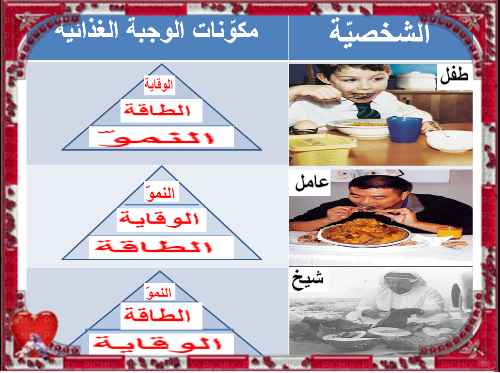
ـ ينتج سوء التّغذية عن الإفراط في تناول الأغذية أو الاقتصار على استهلاك نوعا واحدا منها ويتسبّب ذلك في أمراض مثل الإصابة بالزّكام وعدم الرّؤية ليلا (نقص الفيتامين أ)، الاسقربوط(نقص الفيتامين د)، السّمنة الإفراط في الأكل، وتسوّس الأسنان(الإكثار من الحلويات). وللمحافظة على صحّتنا يجب أن يتمّ الأكل ببطء مع المضغ جيّدا ويكون في مواعيد منتظمة مع الابتعاد عن القراءة أثناء ذلك ويكون نظيفا ومحفوظا من الغبار والجراثيم مع عدم الاستحمام بعد الأكل مباشرة حتّى لا تتعطّل عملية الهضم
مكوّنات الزّهرة
ـ الزّهرة هي جهاز التّكاثر (تكاثر جنسي) في مغلفات البذور ويتمّ عن طريق التأبير والإخصاب. وتتكوّن الزّهرة بصفة عامّة من محيطات زهرية تتوضّع على التّخت(الكرسيّ) وهي
ــ الكأس: وتشكّل المحيط الخارجي للزّهرةوتتكوّن من أوراق (سبلات) تكون عادة خضراء وعددها ثابت في النّوع الواحد(5سبلات في زهرة الجلبّان)ـ
ــ التّويج: يتكوّن من أوراق زهرية ملوّنة (بتلات) تشكّل محيطا في داخل الكأس وتكون هذه الأوراق غالبا ملوّنة بألوان زاهية لجلب الحشرات وعددها كذلك ثابت في النّوع الواحد (5 بتلات في زهرة الجلبّان) ويحمي الكأس والتّويج الأجزاء الدّاخلية للزّهرة

ـ تتكوّن الزّهرة من أعضاء داخلية وهي
ــ الأسدية وهي أعضاء التّذكير وتتألّف السّداة من جزء متطاول يدعى الحبل يعلوه انتفاخ يسمّى المئبر (المتك) ويحتوي على حبّات اللّقاح (حبّات الطلع)ـ
ــ المدقة (المتاع) تمثل مركز الزّهرة وهي عضو التّأنيث وتتكوّن من المبيض (حجرة مجوّفة توجد داخلها البويضات الـّتي تنمو لتكوّن البذور، وينمو المبيض ليكوّن الثمرة) والقلم والميسم (يفرز مادّة لزجة تلتصق بها حبّات اللّقاح)ـ


التّلاقيح
التّلاقيـــــــــــــــــــــــــــــــــــــــــــــــــــــــــــــــــــح
| ||
التلقيح هو عملية وقائية يتمّ من خلالها إدخال جرثومة أو سميّن جرثومة مضعّفة في جسم الإنسان السّليم لتقوم الكريّات البيضاء بصنع ضادّات في الدّم لمقاومة هذه الأمراض(السّلّ ـ الخنّاق ـ الشلل ـ الحصبة ـ السّعال الدّيكي ـ الكزاز ….) ويمكن إعادة التّلقيح لأنّ الضّادّات قد ينتهي مفعولها بمرور الزّمن
|  | |
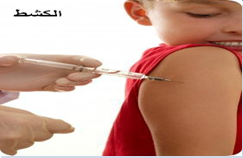
مرض السّلّ هو مرض جرثومي معدي تسبّبه عصيّة الدّرن أو عصيّة كوخ يؤدّي لتلف أنسجة الرّئة أو أعضاء أخرى من الجسم. وتتمّ العدوى عن طريق الهواء أو من شخص إلى شخص آخر، ولتفاديه نلقّح باستعمال طريقة الكشط
|  |  |
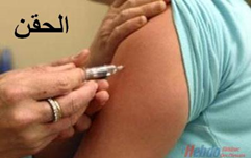
مرض الخناق هو مرض معد يصيب الجهاز التّنفّسي العلوي وبالتّحديد الحلق حيث يحصل فيه التهاب وانتفاخ وتكون العدوى عن طريق رذاذ الإفرازات من الأشخاص المصابين. ولتفاديه يتمّ التّلقيح بطريقة الحقن، ويتمّ هذا التّلقيح خاصّة في المدارس ثمّ يفع التّذكير لكي بعيد الجسم صنع الضّادات
|  |  |
مرض شلل الأطفال هو مرض فيروسي معد يصيب خصوصا الأطراف السّفلى للجسم، وتتمّ العدوى من الأشخاص الحاملين للفيروس عن طريق الفضلات أو الأغذية الملوّثة، ويدخل الفيروس عن طريق الأنف أو الفم، ونلقّح ضدّه بالتّجرّع عن طريق الفم
|  |  |
مرض الحصبة هو مرض فيروسي معد يصيب خاصّة الأطفال، ويسبّب لهم بعض المضاعفات المتمثّلة في ارتفاع حرارة الجسم وظهور طفح جلدي أحمر اللّون، وحرقان بالعينين، وزكام، وسعال. وتتمّ العدوى عن طريق الأشياء الملوّثة. ونلقّح ضدّه بالحقن
|  |  |
السّعال الدّيكي هو مرض بكتيري يصيب الأطفال دون سنّ الخامسة، وتتمّ العدوى فيه عن طريق الرّذاذ المتطاير من المريض، أو عن طريق استعمال أدوات المريض الملوّثة. ويتميّز هذا المرض بنوبات من السّعال خاصّة في اللّيل، ونوبات من الزّفير تليها شهقة تشبه صيحة الدّيك، ومن هنا جاءت تسميّة هذا المرض
| ||
مرض الكزاز ينتج عن تلوّث الجروح بالجراثيم الموجودة في التّراب حيث تفرز سموما قويّة تؤدّي إلى تشنّجات في العضلات، وتعيش الجرثومة في أمعاء الحيوان أو الإنسان المصاب ولتفاديه يجب التّلقيح ضدّه، وكلّما أصيب الإنسان بجرح عميق يجب عليه أن يأخذ جرعة جديدة خلال 24 ساعة من الإصابة لكي يجدّد الجسم تكوين الأجسام المضادّة
| | |
الخلاصة: التّلقيح هو أبرز وأهمّ عمل وقائي يمكن أن يدعّم الحصانة ضدّ عدّة أمراض قاتلة، وضدّ تشوّهات وإعاقات، ويتمثّل في إدخال جراثيم أو سميّن مضعّفة في جسم سليم لتقوم الكريّات البيضاء بصنع ضادّات تبقى في الدّم تتصدّى للأمراض الجرثومية (السّعال الدّيكي ـ الكزاز ـ السّلّ ـ الخنّاق ـ .الشّلل ـ .الحصبة) وتبطل مفعولها لتتمكّن الكريّات البيضاء من بلعمة الجراثيم بسهولة ويتمّ إدخال اللّقاح عن طريق الحقن أوالكشط أوالتّجرّع
| ||
السّلسلة الغذائيّة
السّلسلة الغذائيّـــــــــــــــــــــــــــــــــــــــــــــــــــــــــــــــــة
| ||
تحتاج كل الكائنات الحية إلى التغذية الملائمة حيث تنتقي النباتات والحيوانات غذائها حسب احتياجاتها داخل المنظومة البيئية والسلسلة الغذائية هي مجموعة الكائنات الحية في وسطها البيئي المترابطة فيما بينها غذائيا وتتكون من عدة حلقات.كل كائن حي يتغذى ويغذي.
ـ أمثلة من السلاسل الغذائيّة
النّسر ياكل الثعلب والثّعلب ياكل الأرنب والأرنب ياكل النبات الأخضر
ـ الثعبان ياكل فار الحقول والفار ياكل دودة والدّودة تتغذى على نبات اخضر
|     | |
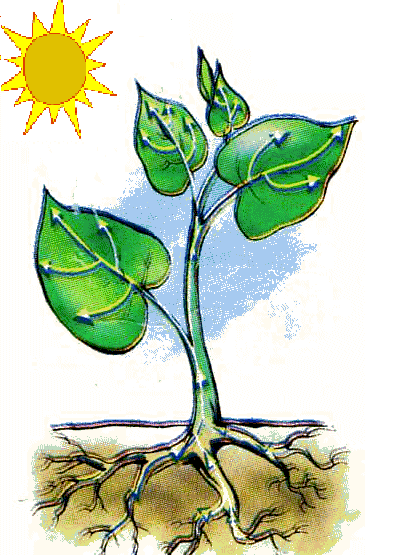
النّبات هو الكائن الوحيد الّذي يقوم بتجميع الطّاقة الشّمسيّة ويستخدمها كوقود لنموّه (البناء الضّوئي) ولأنّه يستطيع إنتاج غذائه بنفسة، فهو يعتبر كائنا منتجا
|  |  |
المستهلك درجة أولى ،الحيوانات العاشبة (الحيوانات الّتي تتغذّى على الأعشاب )
|  | |
المستهلك درجة ثانية ،الحيوانات اللاحمة التي تتغذى على الحيوانات العاشبة
|  | |
المستهلك درجة ثالثة، الحيوانات اللاحمة التي تتغذى على الحيوانات العاشبة واللاحمة
|  |  |
المفككات، تكتمل السلسلة الغذائية بتفكيك الكائنات الميتة النباتية والحيوانية وتقوم بذلك كائنات حيّة دقيقة تعيش في التّربة كالبكتيريا والفطريات وغيرها فتحلّل الأنسجة النّباتيّة والحيوانيّة للكائنات الحيّة , ويتكون الدبال المحتوي على مواد عضويّة، ومعدنيّة
|  |  |
الخلاصة: السّلسلة الغذائية هي العلاقة الغذائيّة الرّابطة بين كائنات حيّة تعيش في وسط بيئي معيّن. ومن هذه الكائنات نجد النّبات الّذي يقوم بتجميع الطّاقة الشّمسيّة ويستخدمها كوقود لنموّه (تحويل المواد المعدنيّة الأساسيّة إلى مواد عضويّة بمفعول الأشعّة الشّمسيّة(البناء الضّوئي)) ولأنّه يستطيع إنتاج غذائه بنفسة، فهو يعتبر كائنا منتجا، أمّا بقيّة الكائنات الّتي لا تستطيع إنتاج الغذاء بنفسها، فتسمّى بالكائنات المستهلكة، ونجد منها حيوانات تتغذّى على النّبات (مستهلك درجة أولى)، وحيوانات تتغذّى على اللّحم (مستهلك درجة ثانيّة، ثالثة،…….)، ونجد من هذه المستهلكات حيوانات تتغذّى على الجيفة وتسمّى بالكاسحات، أو الماسحات، تأتي من بعدها المحلّلات وهي كائنات صغيرة (بكتيريا ـ فطريات ـ عفن …) تحلّل أجسام الكائنات الميّتة فينتج عنها أملاح معدنيّة بسيطة (مواد غير عضويّة) يمتصّها النّبات وتتكوّن سلسلة غذائيّة جديدة
| ||
أسباب اختلال التّوازن البيئي وكيفيّة تفادي ذلك
| ||
| ـ تتفاعل الأحياء مع بعضهاغذائيّا، كما تتفاعل مع العوامـل اللااحيائيــة من تربة وهواء وماء داخل المنظومة البيئية، وكلّ نقص في الغذاء أو في نوع من أنواع الكائنات أو العوامل المذكورة هو اختلال في التّوازن البيئي، ومن أسباب هذا الاختلال: ـ كثرة الفضلات المنزلبّة والصّناعيّة، الملقاة في كلّ الأماكن والمتسبّبة في تلوّث الأراضي الزّراعيّة، ومصادر المياه الصّالحة للشرب، والبحار، وبالتّالي القضاء على بعض الكائنات الحيّة (نباتات ـ حيوانات ـ كائنات دقيقة ….) | 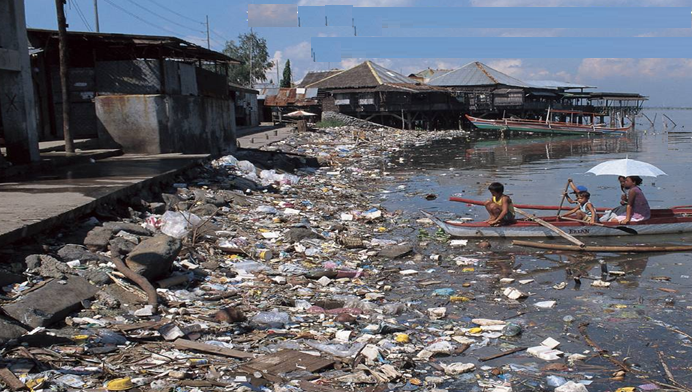 | |
ـ استغلال الغابات للزراعة والاحتطاب واستغلال الأراضي الزراعية والغابية للتوسّع العمراني أثر على الحيوانات والنباتات والغلاف الجوّي فاختفت الكثير من الكائنات الحيّة (نبـــــــاتات ـ حيوانات)
|  |  |
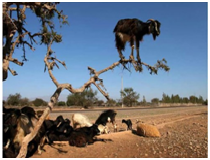
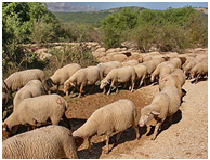
ـ الرّعي الجائر والعشوائي وفلاحة أراضـــــــــي المراعي عوامل تؤدّي إلى جرف التربة وخفض قدرتها على استيعاب مياه الأمطار ويؤثر ذلك في السلسلة الغذائية والتـّوازن البيئي.
|  |  |
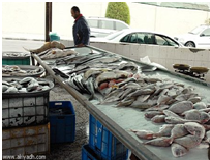
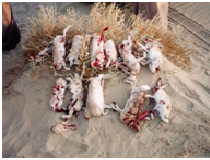
ـ الصّيد المكثف سواء منه البرّي أوالبحري كان أداة هامّة في تراجع كثير من الأنواع الحيوانية وانقراض بعضها..
|  |  |
الخلاصة: ـ تتفاعل الأحياء مع بعضها فتكوّن ……… غذائية، كما تتفاعل مع العوامـل اللااحيائيــة أيضا من تربة وهواء وماء. وإنّ أيّ تغيير في أحد العناصر بنقصانه أو انعدامه ينعكس أثره علــى الأحياء، وبالتالي ينعكس على …………… ويختــلّ التوازن البيئي بالأسباب التالية: الرّعي ……..، التوسّع العمراني على حساب الأراضي الزراعية، الصّيد …………، التلوّث بالفضلات …………… و……….، التكثيف من استعمال المبيدات الحشرية، زيادة إنتاج واستخدام الوسائل الحديثة.
ولإعادة التوازن والمحافظة عليه وجب التخطيط في استعمال الأراضي مــــــــع الإدارة الرّشيـــــــــدة للمصادر الطبيعية المتجدّدة بالمحافظة على الأراضي ……………….. وتنميتها وبإقامة ………… والترشيد في استهلاك المياه وبتنظيم الصّيد البرّي والبحري وإقامــــة محميات للمحافظة ………… ……………… وإنشاء أحزمة خضراء حول ………… ومكافحة التلوّث.
| ||
تركيبة الزّهــــــــــــــــــــــــــــــــــــــــــرة
| ||
الزهرة : هي عضو التكاثر الجنسي في النبات (تكاثر جنسي يتمّ عن طريق التأبير والإخصاب). وتتكوّن الزّهرة بصفة عامّة من محيطات زهرية تتوضّع على التّخت(الكرسيّ)
| 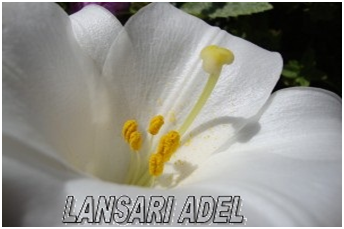 | |
تتركب الزهرة من ثلاثة أجزاء خارجية هى :
1. التخت (الكرسيّ): وهو الجزء المتضخم الذى يوجد فى نهاية السّاق الحاملة للزّهرة وتنتظم عليه الأوراق الزهرية فى محيطات متعاقبة تمثل الكأس والتويج 2. الكـأس: وهو المحيط الخارجي للزهرة ويتركب من أوراق صغيرة خضراء تعرف بالسبلات تحضن الأجزاء الزّهريّة الأخرى، وتحميها من المؤثرات الخارجيّة حتّى تقترب من النّضج،وقد تكون السبلات ملتحمة أو منفصلة، وعددها ثابت في النّوع الواحد من النّبات (5 سبلات في في زهرة الجلبّان). 3. التويـج: يتركب من عدد من الأوراق الملونة وتعرف بالبتلات وقد تكون ملتحمة أو منفصلة وذات رائحة تجذب الحشرات لإتمام عملية التلقيح مثل زهرة الأرنّج (تحمل بتلاتها أكياس عطر). يحمي التّويج مع الكأس الأعضاء الدّاخليّة للزّهرة مشكّليْن ما يسمّى بالغلاف الزهري. | 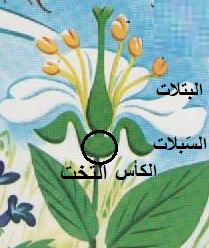 | 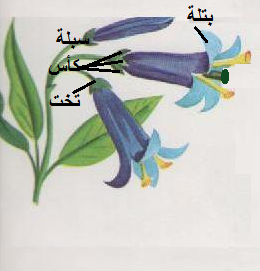 |
. وتتركب الزهرة من أجزاء داخلية هي:
ـ الأسديّة
تمثّل أعضاء التّذكير فى الزّهرة، وتتكوّن كل سداة من خيط رفيع متطاول يعرف بالخيط يتصل بالتّخت من أسفل وينتهى بجزء منتفخ يسمى المئبر (المتك) ويتكون المئبر من كيسين يحتوى كلا منهما بداخله على حبوب اللقاح (الطّلع) وعند النّضج يتفتّح لينثر هذه الحبوب المتميّزة بخفّتها. ـ المدقّة (المتاع) : تنتصب عادة في مركز الزّهرة، وتمثّل عضو التأنيث في الزّهرة وتتركب من عدد من الأوراق المتحوّرة تعرف بالأخبيّة (لكرابل) تلتف حافتها لتكوين تجويفاً فى الجزء السفلي يحفظ البويضات، ويعرف بالمبيض أما الجزء العلوى فيعرف بالقلم وينتهى بالميسموهو الجزء المعد لاستقبال حبوب اللقاح إذ تلتصق هذه الأخيرة بالمادّة اللّزجة الّتي يفرزها . | | |
الخلاصة: التّكاثر هو عمليّة استمرار الكائنات الحيّة، ويتمّ لدى النّبات وفق طريقتين:
ـ التّكاثر اللّاجنسي(الخضريّ)
ـ التّكاثر الجنسي: تمثل الزّهرة عضو التّكاثر، وتتكوّن من أجزاء خارجيّة التّخت، والكأس (السّبلات)، والتّويج (البتلات) تحضن، وتحمي أجزاء داخليّة مذكّرة (الأسدسّة: الخيوط، المآبر، وأكياس الطّلع)، ومؤنّثة (المدقّة، القلم، والميسم)
| ||
التّأبير والإخصــــــــــــــــــــــــــــــــــــــــــــــــــــــــــــــــاب
| ||||||
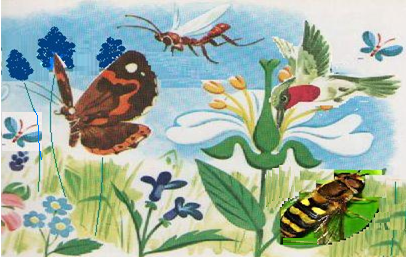
للحشرات في الطّبيعة دور هامّ في تلقيح أزهار النّباتات إذ أنّها تقوم بحمل حبّات الطّلع من مئبر زهرة إلى ميسم زهرة أخرى من نفس النّوع فتلقّحها
|  | |||||
ـ التّأبير: هو عملية انتقال حبوب الطّلع من مئبر ناضج إلى ميسم زهرة ناضج من نفس النّوع وهو نوعان
ـ الإخصاب: تلتصق حبّة الطلع بالميسم بواسطة المادّة اللزجة ثمّ تقوم بمدّ أنبوب من الكوّة حتّى يصل إلى المبيض فتلتحم نواة حبّة الطلع بنواة البويضة ويحصل بذلكالتلقيح(الإخصاب) فتتحوّل إثره كلّ بويضة مخصّبة إلى بذرة و ينمو المبيض ويتضخم أضعاف حجمه ويتحوّل إلى ثمرة أمّا بقية أجزاء الزهرة فتذبل وتسقط
|   | |||||
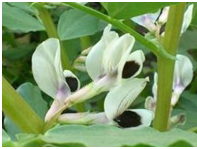
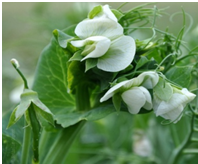
ـ1ـ التّأبير: الذّاتي أو المباشر : تنتقل حبوب الطّلع من مئبر إلى ميسم نفس الزهرة كما في زهرة الجلبّان والفول وهو نادر الحدوث، أو من مئبر زهرة إلى ميسم زهرة أخرى من نفس النبتة كالمشمش، والزّيتون، وبعض أصناف الخوخ
|
| |||||
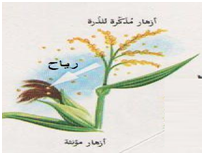
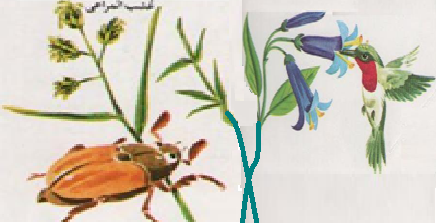
ـ2ـ التّأبير الخلطي:تنتقل حبوب الطّلع من مئبر زهرة نبتة إلى ميسم زهرة نبتة أخرى من نفس النوع بوسائل عديدة أهمّها الرّياح ويتجلى ذلك خاصّة في عدد من النّباتات مثل القمح والذرة، والصّفصاف .. والطيور والحشرات ومن أهمّها العصفور الطنان، والنّمل، والفراش، والزنابير، وبعض الخنافس، والنّحل … وتنجذب هذه الحشرات إلى الأزهار إمّا لألوان بتلاتها،وإمّا إلى الرّوائح المنبعثة منها، وإمّا للرّحيق التي تنتجه
و تعود أهمّ أسباب التأبير الخلطي إلى كون الأعضاء الذّكريّة في بعض الأزهار تنضج قبل الأعضاء المؤنّثة أو العكس أو أنّ حبوب اللّقاح لا تتوافق مع البويضات في نفس الزّهرة
|
|
| ||||
ـ3ـ التأبير الاصطناعي: يعمل الإنسان على نقل حبّات الطلع من زهرة لأخرى خاصّة في النباتات ثنائية المسكن مثل نبتة النخيل إذ تؤخذ أزهار النخيل المذكرة وتهز على
الأزهار المؤنثة |  | |||||
الخلاصة: التّكاثر هو عمليّة استمرار الكائنات الحيّة، ويتمّ لدى النّبات وفق طريقتين:
ـ التّكاثر اللّاجنسي(الخضريّ)
ـ التّكاثر الجنسي (الزّهري): يرتكز على الزّهرة ، وذلك ……….. وهو عملية انتقال حبوب الطّلع من مئبر ناضج إلى ميسم زهرة ناضج من نفس النّوع وهو أنواع ( التّأبير ………………..وهو انتقال حبوب الطّلع من مئبر إلى ميسم نفس الزهرة أو من مئبر زهرة إلى ميسم زهرة أخرى من نفس النبتة)، (التّأبير ………… وهو انتقال حبوب الطّلع من مئبر زهرة نبتة إلى ميسم زهرة نبتة أخرى من نفس النوع بوسائل عديدة أهمّها الرّياح. والطيور والحشرات …)، (التأبير ………….. وهو عمل الإنسان على نقل حبّات الطلع من زهرة لأخرى خاصّة في النباتات ثنائية المسكن مثل نبتة النخيل)، ثمّ ………… وهو التصاق حبّة الطلع بالميسم بواسطة المادّة اللزجة الـّتي يفرزها، ثمّ تقوم بمدّ أنبوب من الكوّة حتّى يصل إلى المبيض فتلتحم نواة حبّة الطلع بنواة البويضة ويحصل بذلك التلقيح(الإخصاب) فتتحوّل إثره كلّ بويضة مخصّبة إلى ………… و ينمو المبيض ويتضخم أضعاف حجمه ويتحوّل إلى ………….. أمّا بقية أجزاء الزهرة ………… وتسقط
| ||||||




النّباتات الحوليّةوالدّائمـــــــــــــــــــــــــــــــــــــــــــــــــــــة
| ||
تنقسم النباتات إلى نوعين: نباتات حوليّة تتجدّد زراعتها سنويّا، ونباتات دائمة تستطيع العيش في كلّ الفصول أكثر من سنتيْن
| 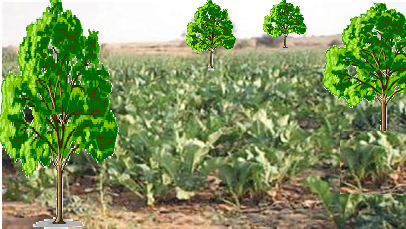 | |
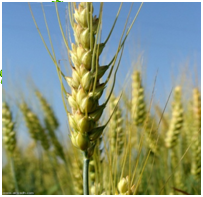
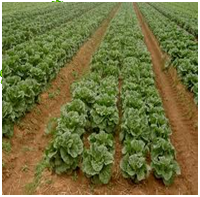
النّباتات الحوليّة: هي نباتات تنمو وتزهر وتعطى البذور خلال حول (أى عام) وتتجدد زراعتها سنويا ولذلك سميت بالحوليات، وتنقسم إلى :
ـ حوليات صيفيّة: تزرع في الشّتاء (فيفري)، وتزهر في الصّيف
ـ حوليات شتويّة: تزرع في الصّيف (جويليّة ـ سبتمير) وتزهر في الشّتاء والرّبيع
|  |  |
ــ للنبات الزهري دورة حياتيّة حوليّة أو دائمة تبدأ بإنبات البذرة النّاتجة عن اتّحاد حبّة الطّلع بالبويضة أثناء عمليّة الإخصاب فيتغذى الجنين على المواد الموجودة بالبذرة ويعطي نبتة تنمو ثمّ تزهر ثمّ تثمر وتعطي بذورا أخرى، وهكذا فإنّ البذرة عنصر ضروري للتّكاثرفي النّبات الزّهري
|  | |
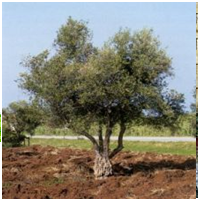
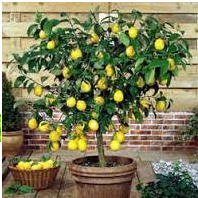
النباتات الدائمة: هي نباتات تعيش أكثر من سنتين أو موسمين زراعيين وتسطتيع العيش في جميع الفصول و تشمل هذه المجموعة النباتية الأشجار مثل الزيتون والليمون و الكثير من الشجيرات و المتسلّقات بالإضافة إلى نباتات عشبية .
|  |  |
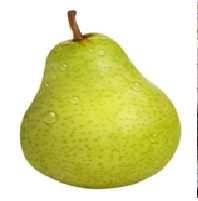
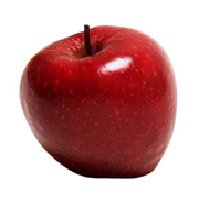
الثمرة عضو ينتج عن تطوُّر مبيض زهرة إثر الإخصاب، وهذه هي الثمرة الحقيقية . أما إذا ساهم في تكوينها، بالإضافة إلى المبيض، جزء آخر من أجزاء الزهرة ونتج عنهما معاً عُضو شبيه بالثَّمرة، أو أنَّه هو الجزء المأكول منها، فيُقال عنها إنَّها ثمرة كاذبة. كثيراً ما يشارك كُرسيُّ الزهرة (والكأسيات أحياناً) في تشكيل الثمرة الكاذبة، إذ يأخذ شكلاً مجوَّفاً يلتحم كليَّاً بالمبيض الذي يحتل قاع التجويف. من الثمار الكاذبة البسيطة نذكر التفاح، والإجاص، والفراولة
|  |  |
الخلاصة: تنقسم النّباتات إلى نباتات حوليّة، ونباتات دائمة، فأمّا الحوليّة فهي نباتات تنمو وتزهر وتعطى البذور خلال حول (أى عام) وتتجدد زراعتها سنويا، ونجد الصّيفيّة، والشّتويّة. وسواء أكانت النبتة الزهريّة حوليّة أو دائمة فإنّ لها دورة حياتيّة تعتمد على البذرة (بذرة ـ نبتة ـ زهرة ـ ثمرة ـ بذرة)
| ||
التّأثير الحراري للتيّار الكهربائي
| |||||
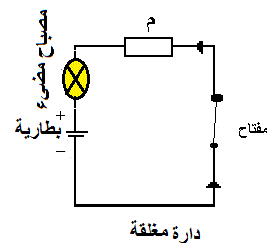
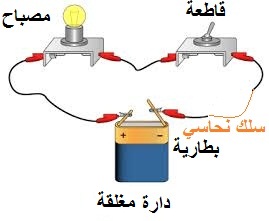
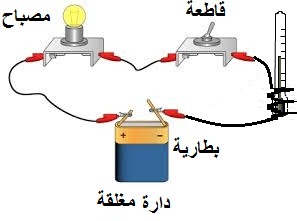
ـ تتكوّن الدّارة الكهربائيّة من مولّد كهربــــــــائي، وقاطعة، ومصباح كهربائي وتكون الدّارة مفتوحة عندما تكون الأسلاك غير موصولة ببعضــــــ
|   | ||||
ـ أمّا إذا كانت الأسلاك الكهربائيّة موصولــــــــــة ببعضها فإنّ الدّارة تصبح مغلقة، ويتوهّــــــــــــج المصباح، ويسخن، ويسمّى ذلك بالمفعــــــــــــول الحراري للتّيّار الكهربائي
|
| ||||
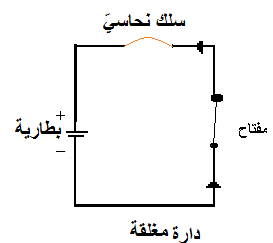
ـ أمّا إذا عوّضنا الدّارة بسلك نحاسيّ، فإنّ هذا السّلك يسخن نتيجة المفعول الحراري للتّيّار الكهربائي
|
| ||||
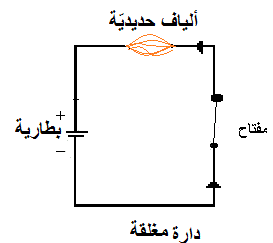
ـ وإذا عوّضنا المصباح في الدّارة الكهربائيّة بألياف حديديّة فإنّنا نلاحظ احمرار هذه الألياف نتيجة المفعول الحراري للتّيار الكهربائي
|  | ||||
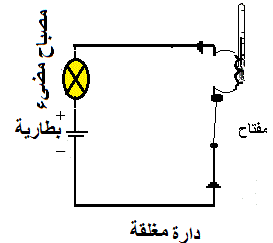
ـ للاطّلاع على شدّة المفعول الحراري للتّيار الكهربائي ربطنا سلكا كهربائيّا معرّى بمحرار فلاحظنا ارتفاع الزئبق فيه
|
| ||||
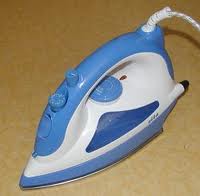
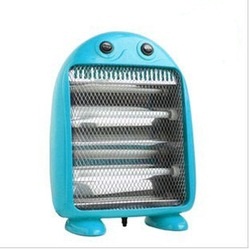
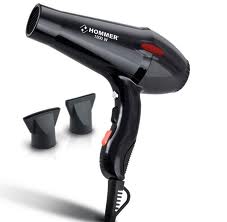
ـ استغلّ الإنسان المفعول الحراري للتّيّار الكهربائي في صنع بعض الآلات مثل: الفرن الكهربائي، و الموفد الكهربائي، والسّخان الكهربائي، ومجفّف الشّعر، والمكواة …..
|
| ||||
ـ الخلاصة:
عند مرور التّيّار الكهربائي في النّواقل (أسلاك ـ فانوس …..) تنتج عن ذلك حرارة، ويسمّى هذا المفعول: التّأثير الحراري للتيّار الكهربائي. ومن الآلات الّتي استعمل فيها الإنسان هذا التّأثير نجد الفرن الكهربائي، والموقد الكهربائي، والسّخان الكهربائي، والمكواة، ومجفّف الشّعر………….
| |||||


التأثير الكيميائي للتيّار الكهربـــــــــــــــــــــــــــــــــــــــــــــــــائي
| |
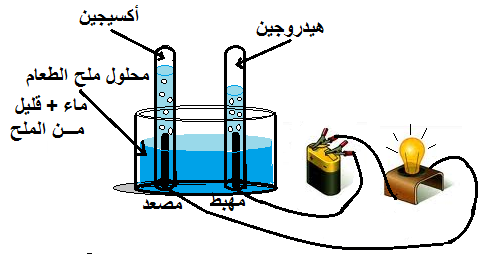
ـ التَحليل الكهربائي هو عملية يمر فيها تيـــــار كهربائي خلال سائل، فيُحْدِث تفاعلاً كيميائــــيًا. فــإذا كان السائل هو الماء مثلا فإنـــه يتحلل إلى عنصريه ـ الهيدروجين والأكسجيــن. ولكن بما أنّ الماء النّقي موصل ضعيف للكهرباء فإنــــــّه يجب إضافة قليل من الصّودا
| 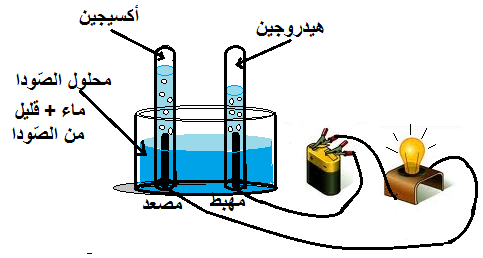 |
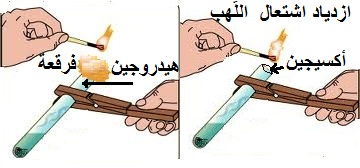
أو قليل من ملح الطعام، وعند ذلك يســــــــــري التيـــــار الكهربائي خلال خلية التّحليــــــــــــــل الكهربائي، فتحــــدث تغيرات كيميائية عند كـــل من القطبين الكهربائييـــن المكوّنين منالفحــم أو البلاتين. فعند القطب السّالب(المهبط: الكاثود) يتحد السّائل المتحلّل مع الإلكترونات القادمة من البطارية، و يُختزل الماء (هو كسب الكتــــرون أو اكثر ويمكن معرفته بنقصان مقدار الشحنة) إلـــــــى هيدروجين لإحداثة صوت فرقعة
أما عند القطب الموجب (المصعد: الأنـــــــــــود) فإن السائل يفقــــــد إلكترونات يعطيها للمصعــد، وبذلك يتأكسد، متحوّلاً إلى غاز الأكسجين حيث أنه زاد من اشتعال عود الثقاب وتسمى هــــذه العملية بالأكسدة
|  |
 | |
يعتبر الطلاء الكهربائي من أهم التطبيقات لخاصية التأثير الكيميائي للتيار الكهربائي إذ يمكّن مـــــــن طلاء المعادن التي تتأكسد بسرعة بمعادن أخـــرى كالنّحاس، ويتمّ ذلك بوضع كبريتات النّحاس فــــي محلال، وربط صفيحة النّحاس بالقطب الموجــــب، وملعقة أو مفتاح بالقطب السّالب. وبعد غلق الدّارة تترسّب طبقة حمراء من النّحاس على الملعقــــــة، وبقدر ما تزداد به هذه الطبقة تنقص الصّفيحـــــــة النّحاسيّة.كما يمكن الطلاء بمعادن ثمينة كالذهـــب والفضة
|  |
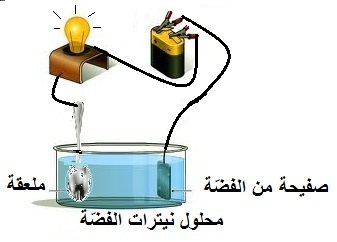 | |
ـ الخلاصة: ـ التأثير الكيميائي للتيّار الكهربائي هو عملية يمرّ فيها تيّار كهربائي خلال سائل، فيُحْدِث تفاعلاً كيميائيًا. فــإذا كان السائل هو الماء مثلا فإنّه يتحلل إلى عنصريه ـ الهيدروجين والأكسجيــن، وإذا كان السّائل محلول كبريتات النّحاس، أو محلول نيترات الفضّة فإنّه يستعمل لطلاء المعادن، أو تنقيتها، ولكن ليست كلّ السّوائل هي نواقل للكهرباء
| |
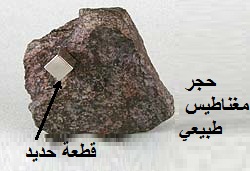
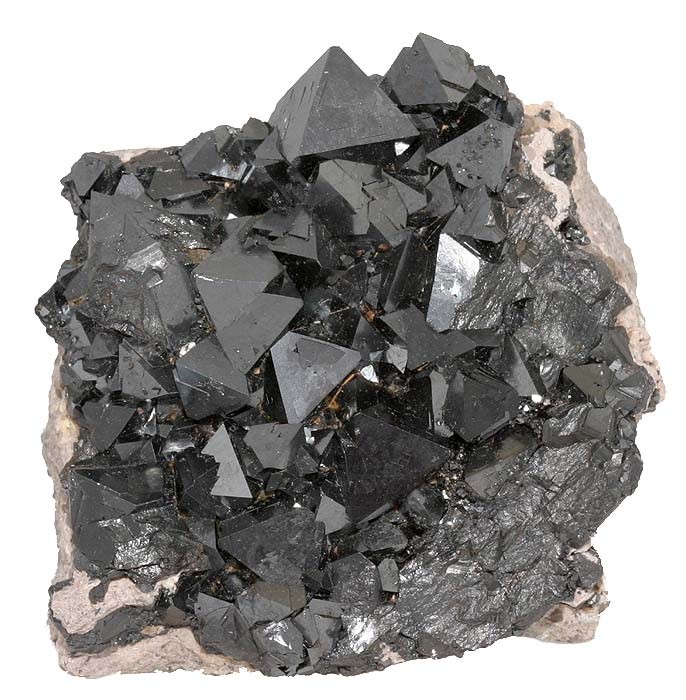
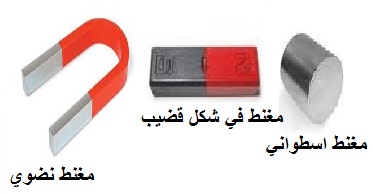
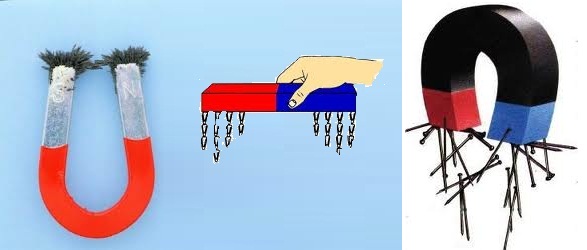


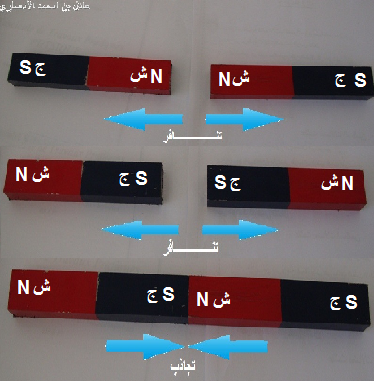
البوصلــــــــــــــــــــــــــــــــــــــــــــــــــــــــة
| ||
ـ عرفت البوصلة منذ القدم، ويذكر أنّه بالصّين، ولم يستطع الإنسان أن يستغني عنها رغم تطوّر الأجهزة الحديثة
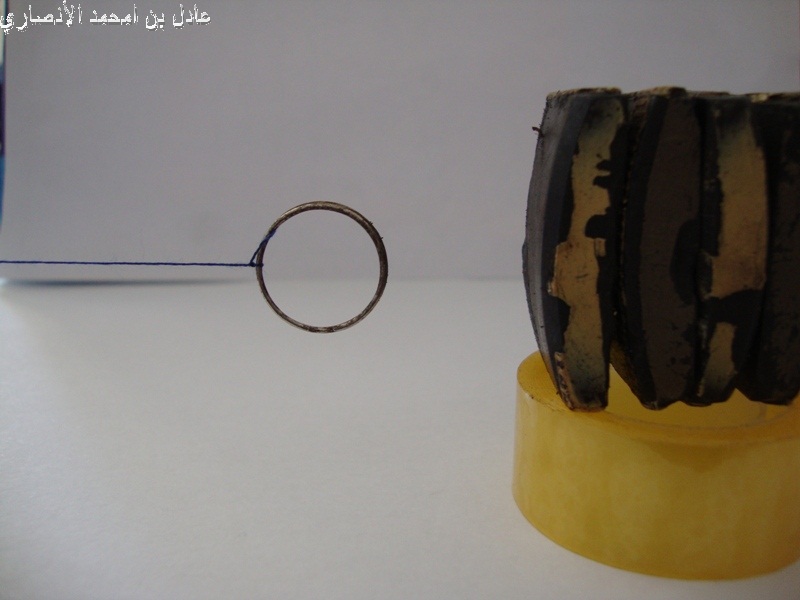
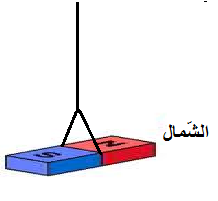
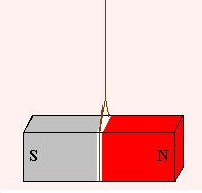
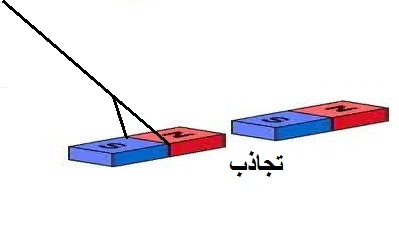
ـ للأرض مجال مغناطيسي خاص بها مثل المغناطيس تماما ، والقطب الجنوبي المغناطيسي للأرض يتطابق تقريبا مع القطب الشمالي الجغرافي (الحقيقي )، والعكس صحيح، لذلك، إذا أخذنا مغناطيسا خفيف الوزن (ابرة ممغنطة مثلا )، وتركناه حر الحركة فإن قطبه الشّمالي سيتّجه نحو القطب الجنوبي المغناطيسي للأرض أي الشّمال الحقيقي، وقطبه الجنوبي سيتّجه نحو القطب الشّمالي المغناطيسي للأرض أي الجنوب الحقيقي
ـ البوصلة المغناطيسية جهاز يستخدم في أستخدامين رئيسين هما
ـ اتّباع خط سير محدّد: وذالك بوضع بوصلة على خريطة واتّباع خط سير محدّد عليها باستعمال الإبرة الممغنطة إلى حين الوصول الى المكان المطلوب
ـ تحديد الأتجاهات: وذالك عندما يراد تحديد موقع مكان موجود على الطبيعه حيث يتم وضع البوصلة على الخريطة وتحديد اتّجاهه |  |  |
 | ||
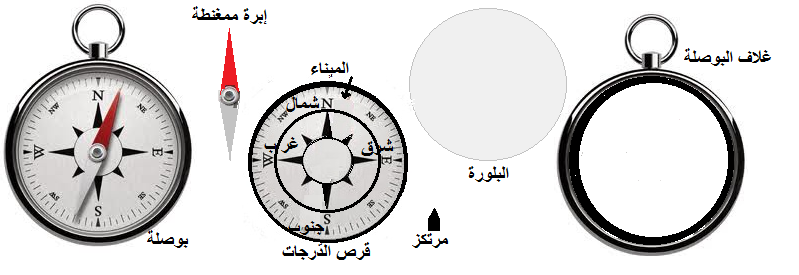 | ||
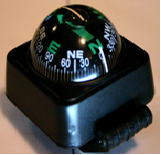
ـ تحتوي البوصلة علي مؤشر مغناطيسي (إبرة مغناطيسية) يدور بحرية ليوجه نفسه بدقة علي المجال المغناطيسي للأرض ودائما تتجة نحو الشمال مما يتيح معرفة باقى الإتجاهات، وتحتوي أيضا على:
ـ غلاف خارجي: وهو عبارة عن غلاف معدني مثل الألمنيوم، أو النّحاس، أو أيّ مادّة، أو معدن آخر لا يؤثر في انحراف الإبرة الممغنطة
ـ الميناء: وهو عبارة عن دائرة مرقّمة تبدأ عادّة من 0 إلى 360 درجة
ـ المرتكز: وهو عبارة رأس قضيب معدني يحمل الإبرة الممغنطة
| ||
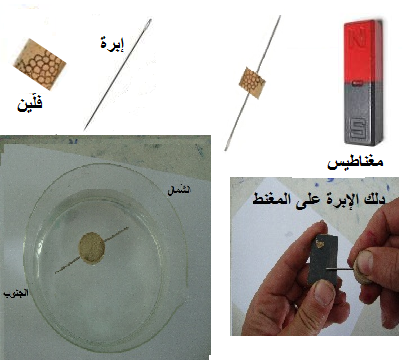
ـ نضع إبرة ممغنطة على جسم طاف فوق الماء، فنلاحظ أن اتجاهها وفق المحور شمال – جنوب..
ـ لصنع بوصلة نغرز إبرة في قطعة فلّين ونقوم بمغنطتها، ثمّ نضعها في حوض به ماء فنلاحظ أنّها تأخذ منحى شمالي ـ جنوبي دائما مهما حرّكناها
ملاحظة:
ـ لا يجب تقريب البوصلة من الحديد كوضعها في سيّارة أو سفينة لأنّها تتأثّر بذلك
ـ الحوصلة:
ـ البوصلة هي عبارة عن إبرة ممغنطة موضوعة على مرتكز شاقولي حتّى تكون حرّة الدّوران، تتّجه دائما نحو الشّمال مهما كان المكان الّذي توجد فيه على الأرض إذا كانت بعيدة عن أيّ مغنط أو جسم حديدي، وبذلك يمكن التّعرّف على بقيّة الاتّجاهات
|  | |
التّأثير المغناطيسي للتيّار الكهربائي
| ||
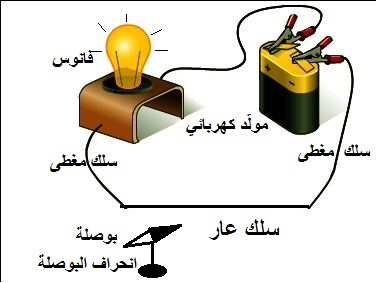
ـ عند غلق الدّارة الكهربائيّة نلاحظ انحراف الإبرة الممغنطة الّتي وضعت موازية للسّلك، وهذا يدلّ على أنّ الكهرباء عندما يسري في سلك كهربائي فإنّة يولّد مجال مغناطيسي
|  | |
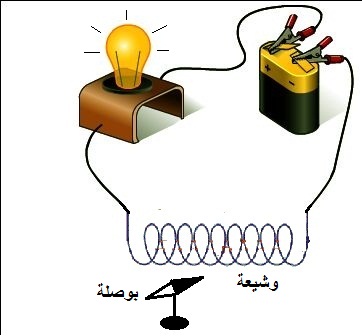
ـ نربط بالدّارة الكهربائيّة وشيعة (لفيفة) فنلاحظ عند انغلاق الدّارة انجذاب الجهة الشّمالية للإبرة الممغنطة إلى إحدى جهتي الوشيعة بينما تنجذب الجهة الجنوبيّة إلى الجهة الأخرى، وإذا غيّرنا قطبي المولّد فإنّ العكس يحصل، وهذا يدلّ على أنّ للوشيعة وجهان أحدهما شمالي والآخر جنوبي
ـ يؤثّر ازدياد عدد لفّات اللّفيفة وشدّة التّيّار الكهربائي في قوة الكهرمغناطيس
|  | |
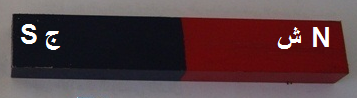
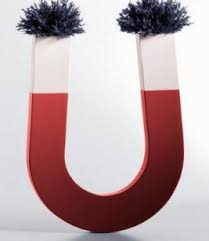
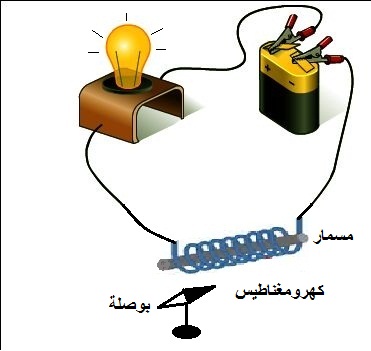
ـ أمّا إذا لففنا السلك الكهربائي حول مسمار من الحديد فإنّنا نتحصّل على لفيفة ذات نواة، وبغلق الدّارة يمرّ التّيّار الكهربائي في اللّفيفة فيتولّد داخلها مجال مغناطيسي يسبّب مغنطة المسمار فتصبح له خاصيّة جذب الأجسام الحديديّة. وبذلك نتحصّل على مغنط كهربائي (كهرمغناطيس) له قطبان حيث يجذب قطبه الشّمالي القطب الجنوبي للبوصلة، ويجذب قطبه الجنوبي القطب الشمالي للبوصلة
|  |  |
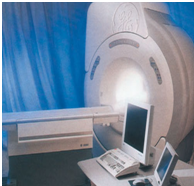
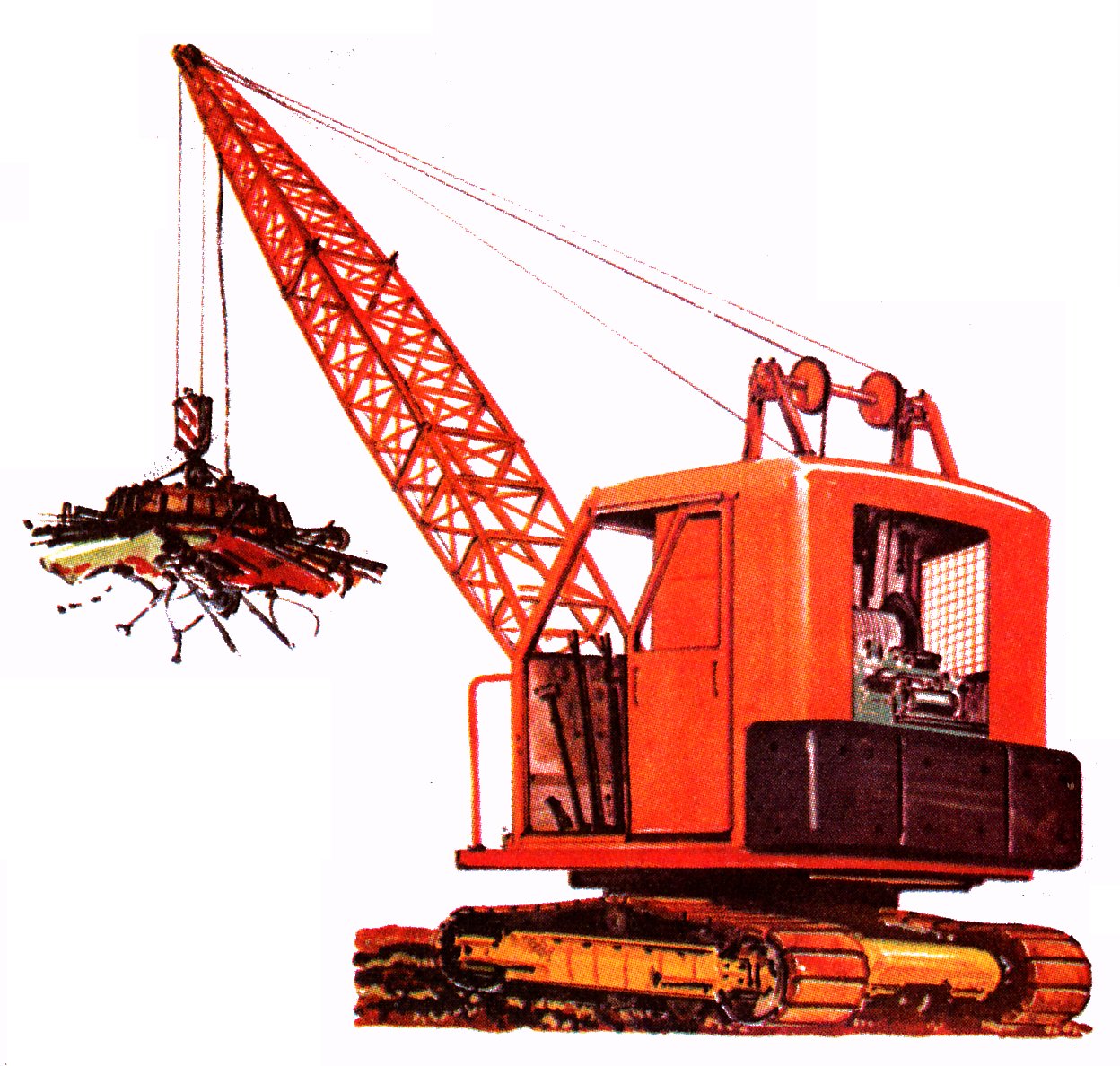
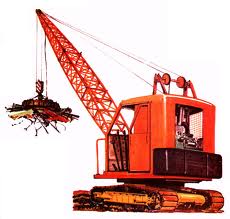
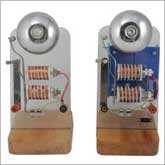
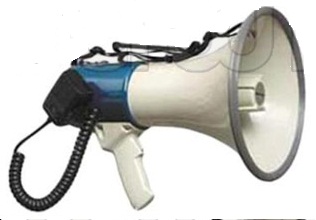
ـ استغلّ الإنسان خاصيّة المغنط الكهربائي (الكهرمغناطيس) في صنع آلات نجد منها الأجراس الكهربائية ومكبرات الصوت والمحركات الكهربائية والمولدات والرّافعات وغيرها…
|  |  |
 | ||
ـ الخلاصة: للتّيّار الكهربائي تأثير …………… يظهر في انحراف الإبرة الممغنطة قرب السّلك الكهربائي عند غلق الدّارة الكهربائية، أمّا إذا ربطنا الدّارة بمسمار حديدي مطاوع ملفوف بسلك كهربائي فإنّنا نتحصّل على مغنط كهربائي أو ……………… يتكوّن من نواة(………….) ووشيعة (سلك ملفوف حول المسمار) وله قطبان أحدهما ……….. والآخر جنوبي يجذب كلّ منهما أحد قطبي البوصلة. استغلّ الإنسان خاصيّة المغنط الكهربائي (الكهرمغناطيس) في صنع آلات نجد منها الأجراس الكهربائية ومكبرات الصّوت والمحركات الكهربائية والمولدات والرّافعات
| ||
وزن الأجسام ـ السّقوط الحرّ للأجسام
| ||
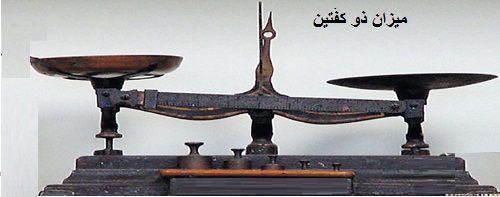
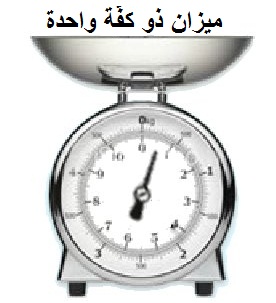
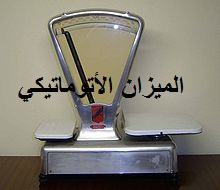
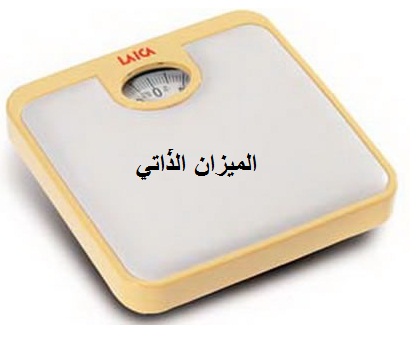
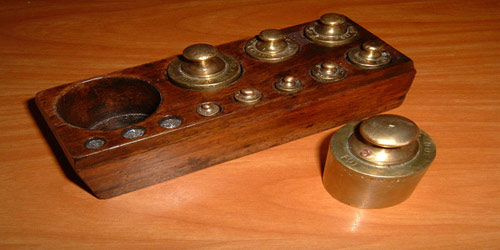
ـ يستعمل الإنسان الميزان في حياته عند البيع والشّراء، وهو أنواع (الميزان ذو الكفّتين ـ الميزان ذو الكفّة الواحدة ـ الميزان الأتوماتيكي ـ الميزان الرّاسم ـ الميزان الرّوماني )، ويستعمله في البيت لوزن جسمه (الميزان الذّاتي). وبالميزان نتعرّف على كتلة الجسم، وهي تتعلّق بالمادّة الّتي يتكوّن منها الجسم، وكتلة الجسم ثابتة لا تتغيّر لا بتحوّله، ولا بتغيير مكانه (الأرض ـ القمر). نقيس كتلة الجسم باستعمال الوحدة العالميّة (الكيلوغرام)، وتدعو الحاجة أحيانا إلى استعمال أجزاء الكغ، ومضاعفاته
|  |  |
 |  | |
 |  | |
 | ||
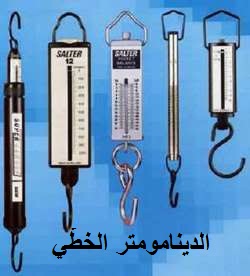
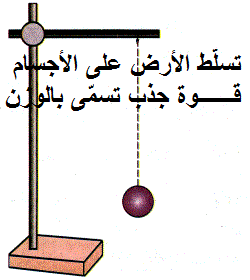
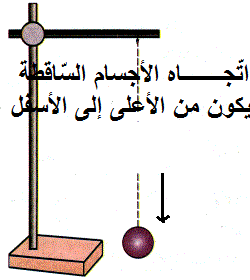
ـ يخلط أغلب النّاس بين الكتلة والوزن رغم الفرق بينهما فالكتلة ترتبط بمادة الجسم بينما يرتبط الوزن بالقوة الّتي تسلّطها الأرض على الجسم، وهي قوة جذب منحاها شاقولي (عموديّ على سطح الماء)، واتّجاهها من الأعلى إلى الأسفل، ويختلف وزن الجسم من مكان إلى آخر (على القمر وزن الجسم أخفّ منه على الأرض لأنّ جاذبية القمر أقلّ بستّ مرّات من الأرض، ويختلف الوزن على سطح الأرض ذاته إذ أنّه كلّما ارتفع الجسم إلى فوق كلّما نقص وزنه فالجسم الموجود فوق جبل عال أو في الطّائرة أو في منطاد أقلّ وزنا من الجسم الموجود على سطح الأرض). نستعمل لحساب الوزن الدّينامومتر (دائري أو خطّي)، ووحدة النّيوتن
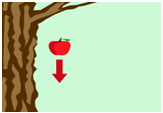
ـ كلّ الأجسام تسقط سقوطا حرّا نحو مركز الأرض في منحى شاقولي من فوق إلى أسفل
|  |  |
 |  | |
 |  | |
ـ الخلاصة: ـ يخلط أغلب النّاس بين الكتلة والوزن رغم الفرق بين مفهوميهما فالكتلة ترتبط بمادة الجسم ونستعمل الميزان، ووحدة الكيلوغرام لحسابها وهي ثابتة لا تتغيّر بتغيّر الموقع بينما يرتبط الوزن بالقوة الّتي تسلّطها الأرض على الجسم، وهي قوة جذب منحاها شاقولي واتّجاهها من الأعلى إلى الأسفل، ويختلف وزن الجسم من مكان إلى آخر حيث ينقص كلّما ارتفعنا في الفضاء وابتعدنا عن مركز الأرض، ويزيد إذا اقتربنا منها. ونستعمل لحساب الوزن الدّينامومتر، ووحدة النّيوتن
| ||